Zoho automation services focus on eliminating manual work and creating scalable, repeatable processes inside your CRM. From simple workflow rules to complex multi-step automations and blueprints, automation ensures your CRM drives efficiency instead of creating overhead.
If you are setting up Zoho CRM from scratch, see our implementation services.
Zoho includes powerful automation tools, but standard workflows only solve simple needs. Basic field updates, notification triggers, and task assignment handle straightforward scenarios. Growing companies need automation logic that reflects real operational complexity.
Businesses managing multi-step approval processes, cross-department handoffs, or conditional routing based on business context require advanced automation design. Standard configuration can't enforce process governance, handle exception logic, or orchestrate actions across integrated systems. These requirements demand structured automation architecture as part of comprehensive Zoho CRM services.
Strategic automation improves scalability, consistency, and decision-making without creating technical debt. Working with experienced Zoho consultants ensures automation aligns with broader CRM strategy. It transforms Zoho from manual record-keeping system into operational platform that executes business logic automatically.
What Is Zoho Automation?
Zoho automation is the structured use of workflows, blueprints, custom functions, approval rules, and integrations to automate CRM processes in line with business operations.
It encompasses workflow rule configuration for automatic field updates and notifications, Blueprint design for stage-based process enforcement, Deluge custom function development for complex business logic, approval routing automation, and integration-triggered actions that synchronize data across systems.
Unlike basic configuration that adds individual automation rules, professional automation design considers system-wide interaction between triggers, handles exception scenarios, prevents conflicting logic, and establishes governance models that maintain reliability as complexity increases.
Effective automation requires understanding both technical platform capabilities and operational business context. Systems automated without architectural discipline accumulate technical debt through redundant triggers, conflicting workflows, and fragmented logic that becomes impossible to maintain.
Automation Definition
Zoho automation uses workflows, blueprints, custom functions, and integration triggers to execute business processes automatically. Professional automation design balances comprehensive coverage with maintainability and system performance.
Types of Zoho CRM Automation
Zoho CRM provides multiple automation capabilities, each designed for specific use cases. Understanding the available automation types helps organizations choose the right tool for each business requirement:
-
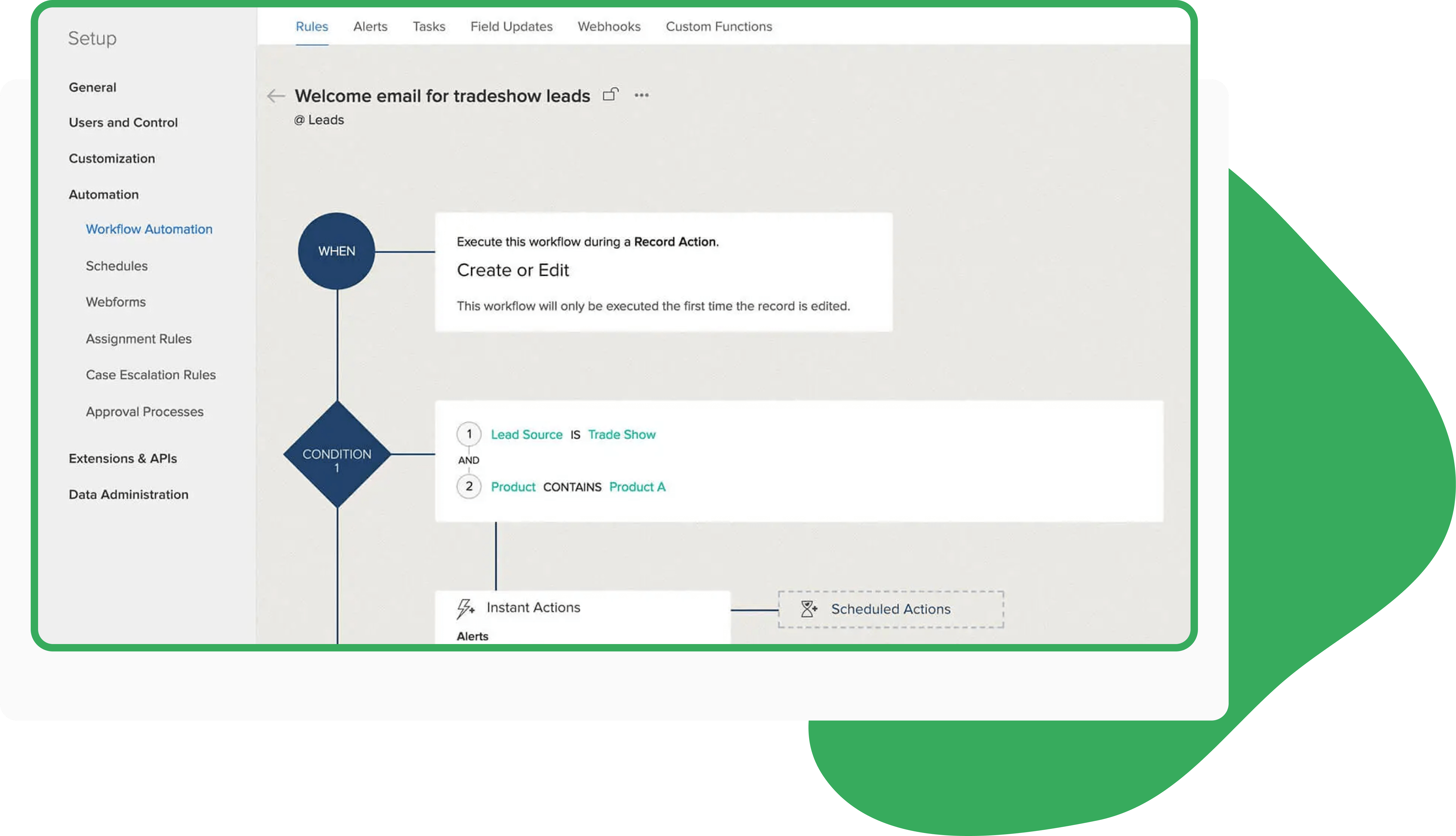
Workflow Rules: Event-based automation that executes actions when records are created, updated, or meet specific criteria. Workflows handle field updates, notifications, task creation, and webhook triggers automatically without user intervention.
-
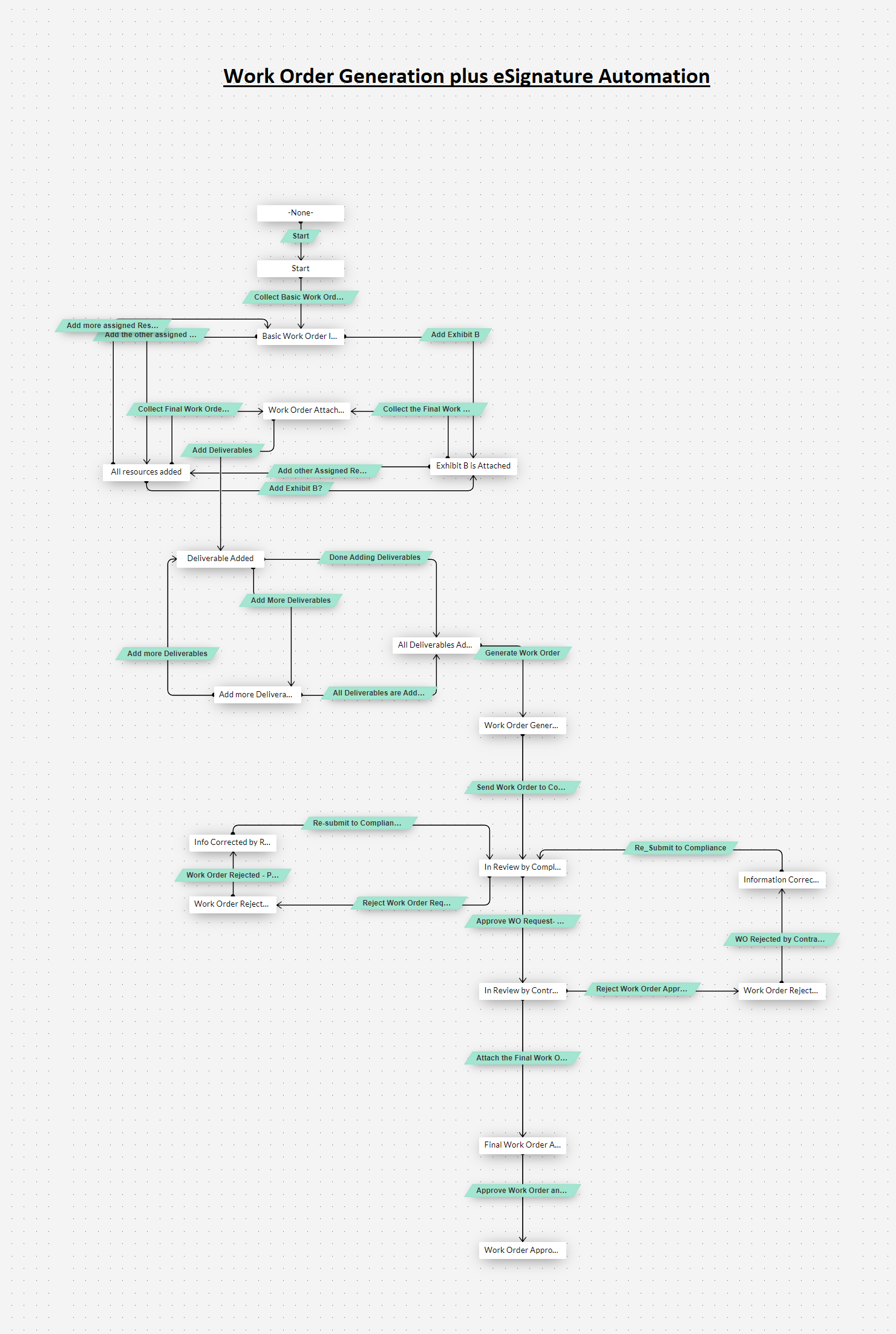
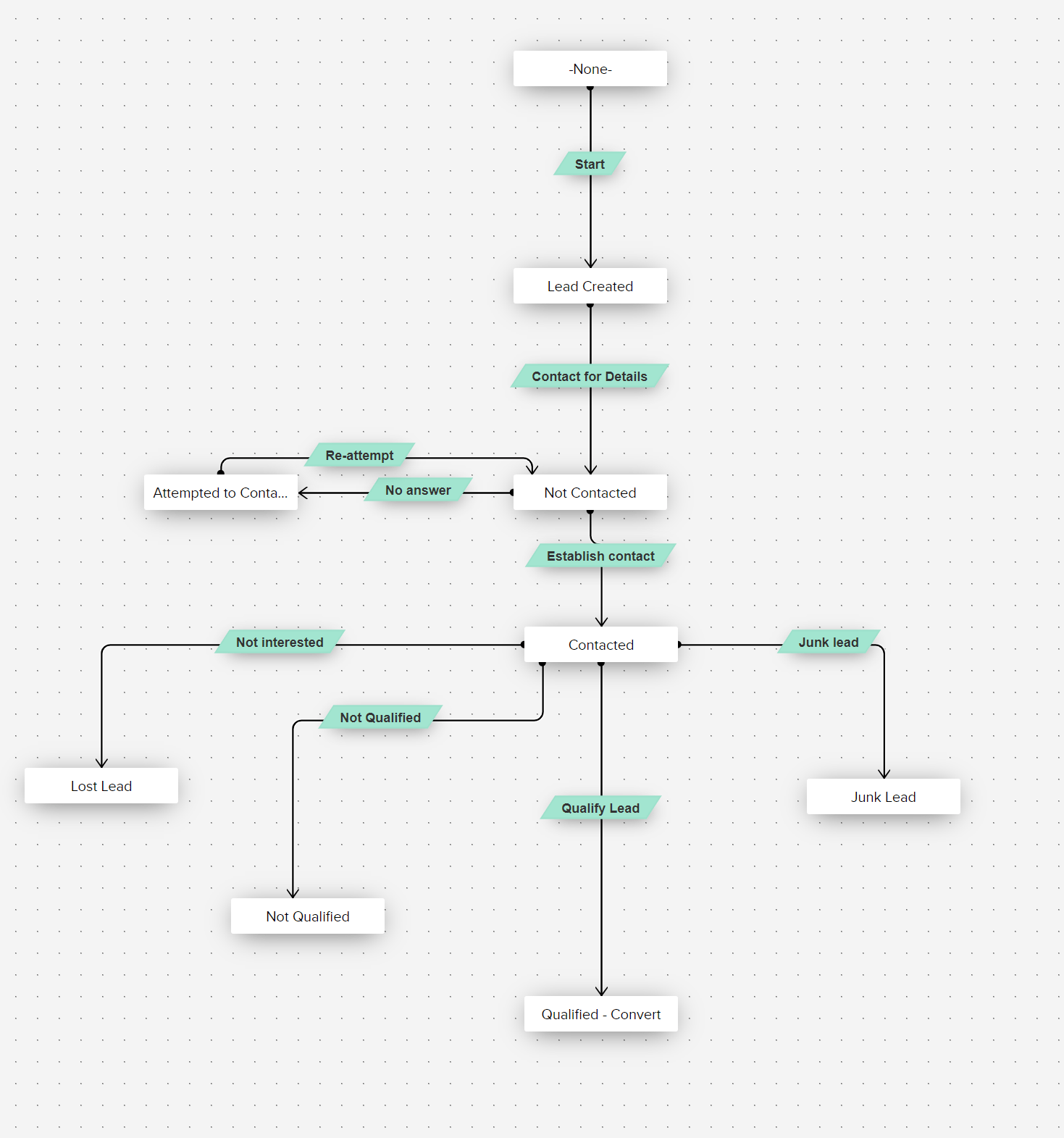
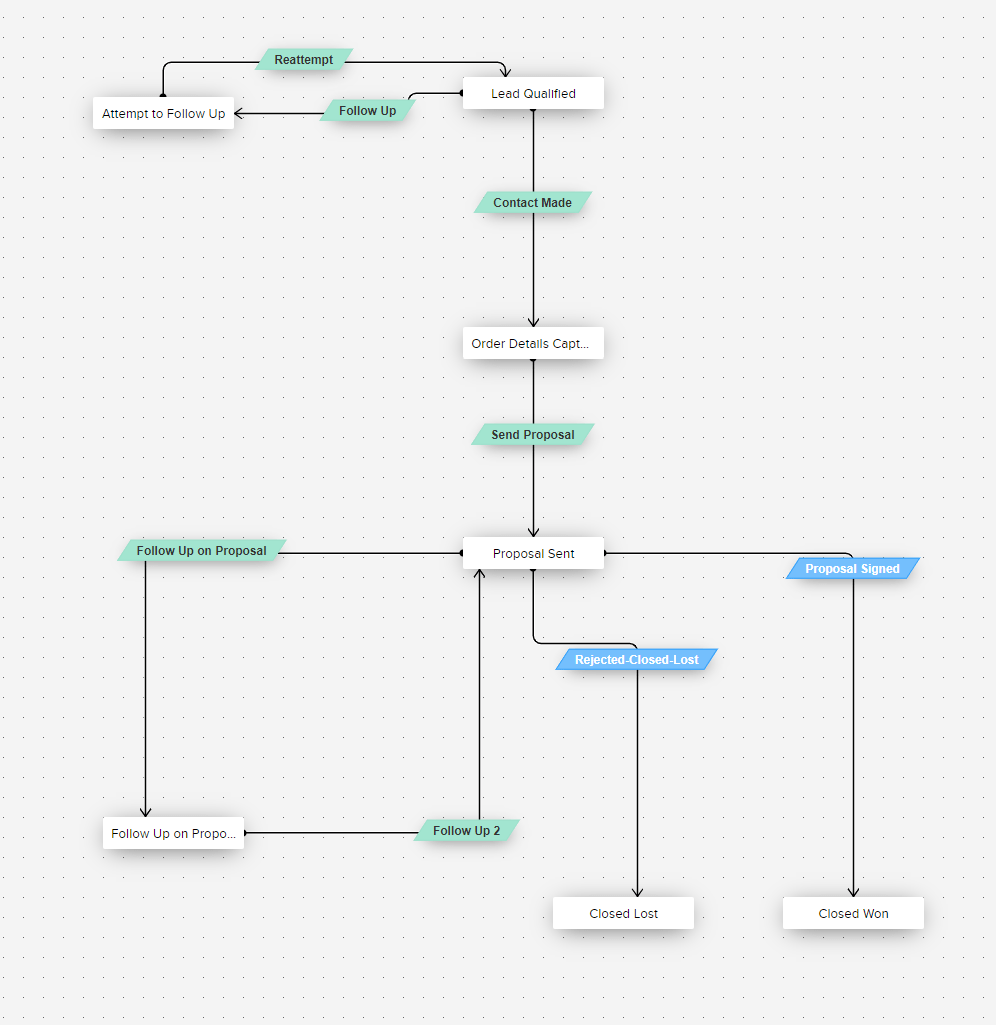
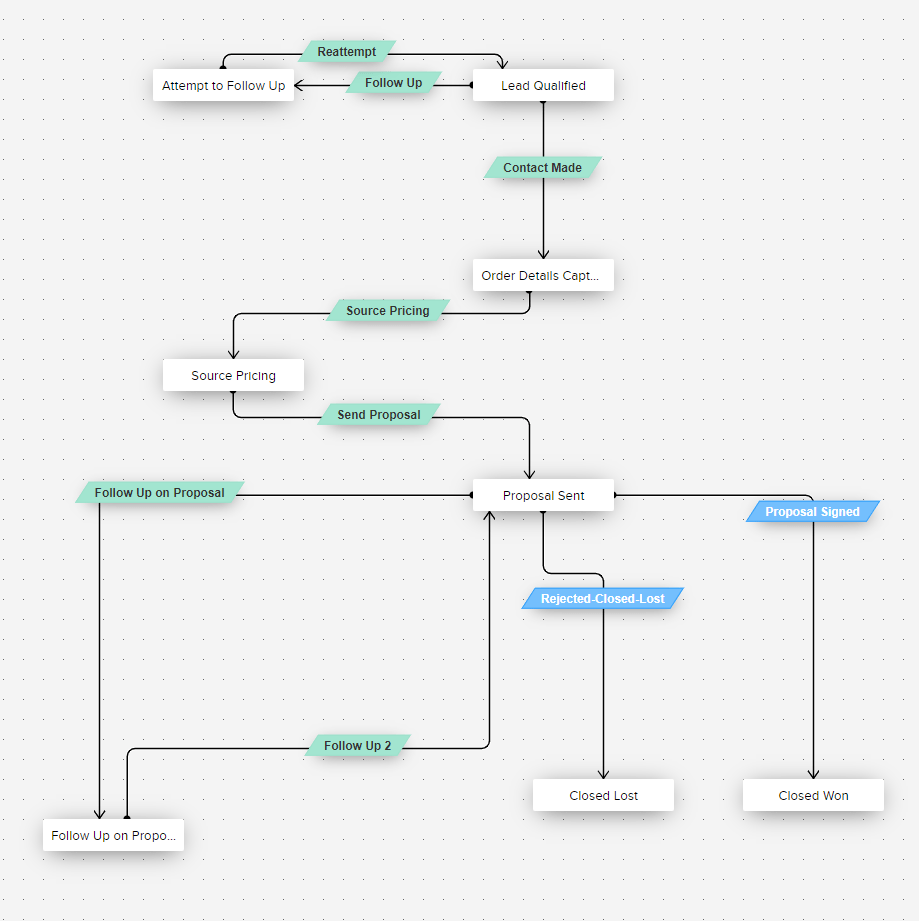
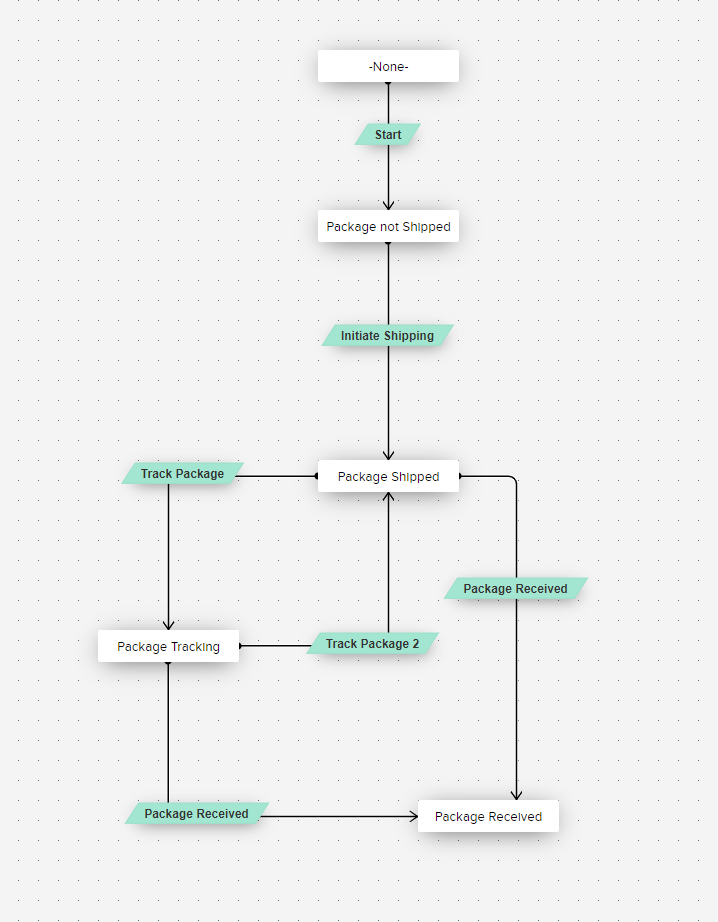
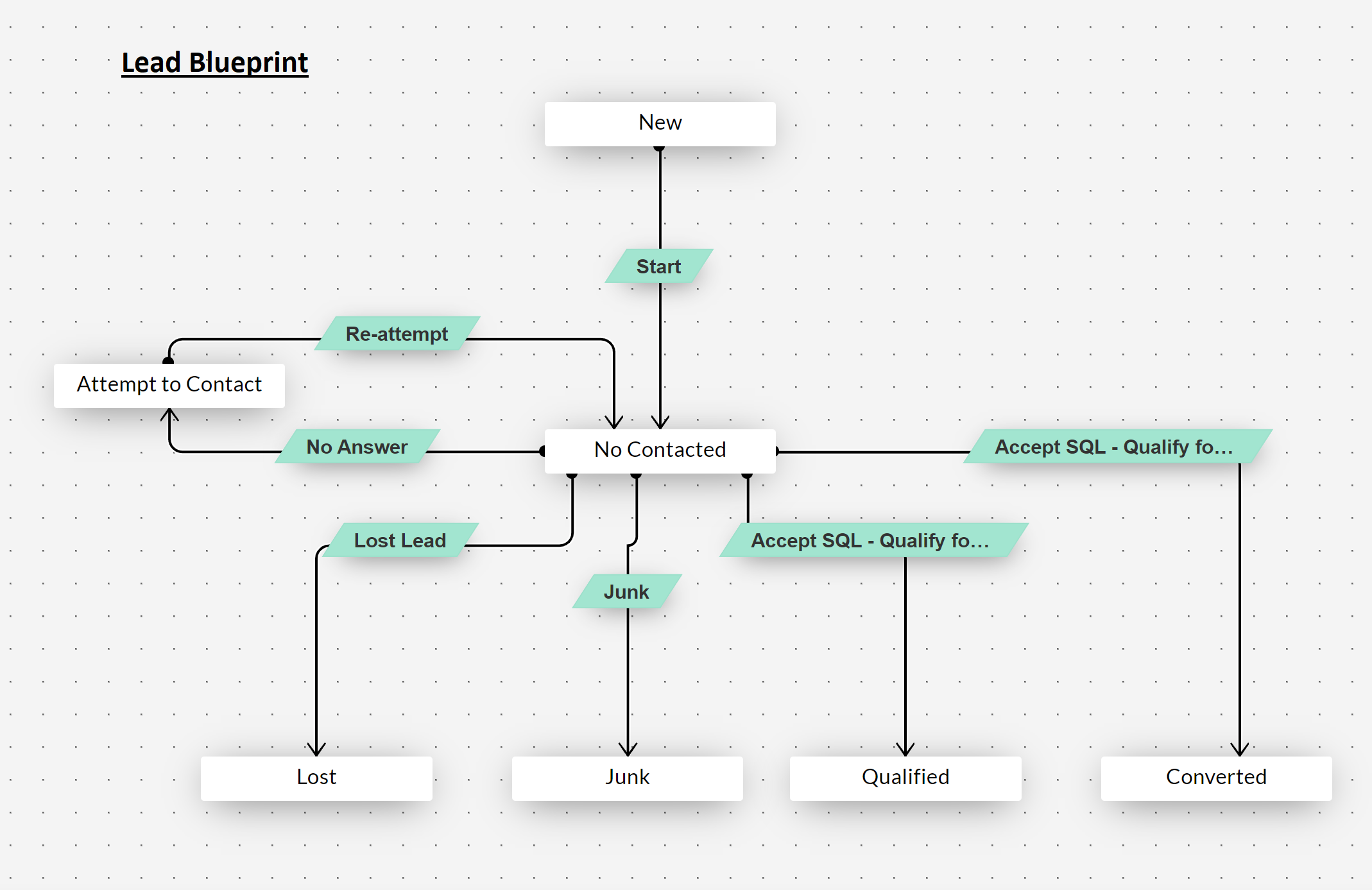
Blueprints (Process Automation): Structured process enforcement that controls how records move through stages. Blueprints require specific actions before progression, route approvals based on business rules, and ensure teams follow standardized processes consistently.
-
Custom Functions (Deluge Scripting): Advanced automation using Deluge scripting language to handle complex business logic, API integrations, cross-module data manipulation, and conditional processing that exceeds standard workflow capabilities.
-
Assignment Rules: Automatic record routing based on territory, product line, deal size, or other business criteria. Assignment rules distribute leads, contacts, and opportunities to appropriate team members without manual intervention.
-
Approval Processes: Multi-level approval routing for discounts, contracts, and exception requests. Approval automation routes requests to stakeholders based on deal parameters and tracks approval status through completion.
-
Scheduled Automation: Time-based automation that executes actions on recurring schedules. Scheduled workflows handle contract renewal reminders, follow-up sequences, data cleanup tasks, and periodic reporting without manual triggering.
Most comprehensive automation strategies combine multiple types. Workflows handle background automation, Blueprints enforce process compliance, custom functions execute complex logic, and scheduled automation maintains ongoing operational tasks. Professional automation design selects the appropriate type for each business requirement.
Workflow Automation vs Blueprint Automation
Workflows and Blueprints represent two distinct automation approaches in Zoho CRM. Understanding the difference ensures organizations apply the right tool for specific business requirements:
Workflow Rules
Event-based automation that executes in the background.
- •Triggers automatically based on record changes
- •Executes without user awareness or interaction
- •Updates fields, sends notifications, creates tasks
- •Handles repetitive administrative automation
- •Users cannot override or bypass execution
Blueprint Process Automation
Structured process enforcement that guides user behavior.
- •Controls how records progress through stages
- •Requires specific actions before stage transitions
- •Routes approvals and coordinates handoffs
- •Enforces standardized methodologies and compliance
- •Visible to users as guided process framework
When to Use Each
Use Workflows for automatic data maintenance, notifications, task creation, and integration triggers that execute without user involvement. Workflows handle operational automation that shouldn't require manual intervention.
Use Blueprints when process compliance matters more than speed. Sales methodologies, compliance procedures, and multi-step approvals benefit from Blueprint enforcement that prevents users from skipping critical steps or rushing through required actions.
Most sophisticated automation combines both. Workflows handle background execution while Blueprints enforce process discipline. Organizations often pair Blueprint process enforcement with Zoho customization that adds custom fields, validation rules, and interface modifications supporting the automated process.
Automation Across Systems with Zoho Integrations
Business processes rarely exist entirely within CRM. Effective automation requires coordinating actions across multiple systems.
Comprehensive automation extends beyond Zoho CRM through system integrations that synchronize data, trigger actions, and maintain consistency across operational platforms. Orders created in CRM flow automatically to ERP systems, won deals trigger invoice generation in accounting platforms, and customer data syncs bidirectionally with support and marketing tools.
Cross-System Automation Scenarios
-
CRM to ERP: When opportunities close, automation creates sales orders in ERP, initiates fulfillment processes, and syncs inventory availability back to CRM for sales team visibility.
-
CRM to Accounting: Closed deals trigger invoice creation, payment tracking syncs between systems, and financial data flows back to CRM for sales reporting and commission calculations.
-
CRM to Support: New customers automatically create support accounts, high-value deals trigger white-glove onboarding workflows, and support interactions feed back to CRM for account management visibility.
-
CRM to Marketing: Lead status changes trigger marketing automation enrollment, campaign responses update CRM engagement scores, and lead qualification data syncs bidirectionally for coordinated outreach.
-
CRM to Document Management: Quote approvals automatically generate contracts in document systems, signature completion updates CRM deal status, and executed agreements attach to customer records.
Integration-based automation requires careful error handling, data mapping, and synchronization logic. Automation must handle scenarios where external systems are temporarily unavailable, data conflicts occur, or validation fails across system boundaries. Professional Zoho integration design ensures cross-system automation remains reliable as business complexity increases.
Integration Automation
Automation delivers maximum value when it orchestrates actions across all systems involved in business processes, not just within CRM. Integration architecture determines whether automation creates seamless operational flow or fragmented manual handoffs.
Common Zoho Automation Use Cases
Zoho automation solves specific operational challenges across sales, marketing, and customer success. These use cases represent common automation patterns that deliver measurable efficiency gains:
Lead Routing and Assignment
Automatically distribute incoming leads to appropriate sales representatives based on territory, product expertise, deal size, or industry vertical. Assignment rules ensure immediate routing without manual intervention, reducing response time and improving conversion rates. Advanced routing handles round-robin distribution, workload balancing, and escalation when representatives reach capacity.
Sales Pipeline Automation
Automate opportunity progression through pipeline stages based on activities, engagement signals, and deal milestones. Workflows automatically advance opportunities when proposals are sent, update probability based on customer engagement, and trigger alerts when deals stall. Blueprint enforcement ensures sales teams complete required activities before stage progression, maintaining forecast accuracy and process discipline.
Follow-Up Sequences
Create automated task sequences that ensure consistent follow-up without manual scheduling. When leads enter nurture status, workflows generate sequential tasks spaced appropriately for outreach cadence. Scheduled automation handles long-term follow-up for dormant opportunities, preventing deals from falling through cracks due to inconsistent manual processes.
Task and Activity Automation
Automatically generate tasks based on record events, stage changes, and scheduled intervals. New customer wins trigger onboarding task sequences, contract expiration dates create renewal tasks 90 days in advance, and missed activities generate escalation tasks for sales managers. Activity automation ensures teams maintain operational discipline without relying on individual memory or manual task creation.
Customer Onboarding Workflows
Coordinate multi-department onboarding through automated task generation, approval routing, and system provisioning triggers. When deals close, automation creates implementation tasks, notifies customer success teams, triggers account setup in operational systems, and schedules kickoff meetings. Blueprint processes ensure onboarding teams complete required steps in correct sequence, preventing delays and improving customer experience.
Support Escalation
Automatically escalate support cases based on priority, response time, and customer tier. Workflows route high-priority cases to senior support staff, notify account managers when key customers experience issues, and create CRM tasks for follow-up when cases close. Escalation automation ensures critical issues receive appropriate attention without relying on manual monitoring or case review.
These use cases represent starting points for automation strategy. Most organizations combine multiple patterns to create comprehensive automation that addresses specific operational needs. Professional automation design identifies which processes deliver highest value when automated and implements solutions that scale as business complexity increases.
When Do You Need Zoho Automation?
Automation becomes essential when manual processes create operational bottlenecks, inconsistency, or missed revenue opportunities.
Organizations reach automation readiness when these operational patterns emerge:
Too Much Manual Work
Teams spend hours daily on data entry, record updates, status changes, and administrative tasks that follow predictable patterns. Manual work scales linearly with volume, creating headcount pressure and limiting growth. Automation handles repetitive operations while teams focus on strategic work.
Inconsistent Processes
Different team members follow different procedures. New hires lack standardized workflows. Process documentation exists but enforcement relies on individual discipline. Automation enforces consistent execution regardless of who handles the work or how long they've been with the organization.
Missed Follow-Ups
Leads go cold waiting for next steps. Opportunities stall between stages. Customer requests fall through cracks during handoffs. Manual reminder systems fail under volume pressure. Automated follow-up sequences and escalation rules ensure nothing gets forgotten regardless of team workload.
Scaling Issues
Adding customers or team members exposes process bottlenecks. Operations that worked with 10 customers break with 100. Teams that managed manually at 5 people struggle at 20. Automation creates scalable operations that handle increased volume without proportional headcount growth.
Inefficient Workflows
Information requires manual transfer between systems. Teams duplicate data entry across platforms. Approvals wait in email queues. Status updates depend on meetings and manual reports. Automated workflows eliminate handoff delays and keep processes moving without manual coordination.
Data Quality Problems
Records contain incomplete information. Manual entry introduces errors. Required fields get skipped. Data becomes stale without regular updates. Automation validates data on entry, enforces required information, and maintains accuracy through systematic updates rather than individual discipline.
If your organization experiences three or more of these patterns, automation delivers measurable operational improvement and ROI. The question shifts from "should we automate?" to "which processes deliver highest automation value?"
When Do Businesses Need Advanced Automation?
Basic workflows serve most early-stage companies. Advanced automation becomes necessary when operational complexity exceeds simple rule-based triggers:
-
Repetitive manual work increases: Teams spend hours on data entry, record updates, and follow-up tasks that follow consistent patterns. Automation eliminates these activities while improving accuracy and speed.
-
Follow-up consistency breaks down: Leads go cold because manual reminder systems fail. Opportunities stall waiting for next-step actions. Automated task generation and escalation prevent deals from falling through cracks.
-
Approvals need structure: Quotes, discounts, and contracts require multi-level approval based on deal size or customer tier. Blueprint automation routes approvals automatically and enforces governance without manual intervention.
-
Teams rely on spreadsheets or workarounds: When users export data to process outside CRM, automation is insufficient. Custom functions execute complex calculations, generate reports, and trigger actions that replace manual workarounds.
-
Integrations require triggered actions: Business processes span multiple systems. Automation synchronizes data between CRM, ERP, accounting platforms, and support systems, maintaining consistency without manual data entry.
-
Growing scale exposes workflow limitations: Manual processes that worked at 10 people fail at 50. Automation designed for scale handles increased volume, more complex routing, and expanded team structures without proportional headcount growth.
What Happens Without Proper Automation?
Manual processes create predictable operational failures that compound as business complexity increases.
Organizations that delay automation or implement it poorly experience these consequences:
Human Error
Manual data entry introduces mistakes. Required fields get skipped. Information transfers between systems lose accuracy. Records contain inconsistent formatting. As volume increases, error rates compound. Automation eliminates repetitive human error by executing tasks identically every time regardless of workload pressure or individual attention span.
Missed Opportunities
Leads wait too long for follow-up and choose competitors. Hot prospects go cold during manual handoffs. High-value deals stall between stages waiting for next actions. Customer requests fall through cracks during busy periods. Manual reminder systems fail under volume pressure. Automated follow-up sequences ensure consistent engagement regardless of team capacity or individual memory.
Inconsistent Execution
Different team members follow different procedures. New hires lack standardized workflows. Best practices exist in documentation but enforcement depends on individual discipline. Process quality varies based on who handles the work. Automation ensures consistent execution of business processes regardless of team member experience or individual judgment.
Wasted Time
Skilled professionals spend hours on administrative tasks that create no strategic value. Data entry, record updates, status synchronization, and manual notifications consume time that should focus on customer relationships and revenue generation. Manual work scales linearly with volume, creating permanent headcount pressure. Automation redirects team capacity to high-value activities.
Poor Scalability
Operations that work at current scale break when volume doubles. Adding customers exposes process bottlenecks. Growing teams introduce coordination overhead. Manual processes require proportional headcount growth to maintain service levels. Scaling becomes expensive and operationally complex. Automation creates scalable operations that handle increased volume without proportional cost increases.
These failures don't occur randomly. They're predictable consequences of manual processes operating beyond sustainable scale. Organizations often recognize the problem after experiencing competitive disadvantage, customer churn, or operational crisis. Professional automation design prevents these outcomes by identifying automation needs before failures occur. Learn more about common CRM implementation mistakes that create automation challenges.
What Automation Should Deliver
Effective automation creates measurable operational improvements that compound over time and scale with business growth.
Well-designed Zoho automation produces these outcomes:
Consistent Processes
Every record follows the same workflow regardless of who handles it or when it enters the system. Required steps execute automatically without relying on individual memory or discipline. New team members operate at full effectiveness immediately because automation enforces standardized procedures. Process quality becomes systematic rather than dependent on individual performance.
Reduced Manual Work
Administrative tasks execute automatically without consuming team time. Data entry, status updates, record assignments, and follow-up task creation happen systematically. Teams focus capacity on customer relationships, strategic planning, and revenue generation instead of operational administration. Productivity increases without headcount growth.
Faster Operations
Processes complete in minutes that previously required hours or days. Approvals route automatically to stakeholders. Handoffs between teams happen instantly without coordination delays. Lead response time improves from hours to minutes. Deal cycles shorten because processes advance automatically rather than waiting for manual triggers.
Better Data Accuracy
Validation rules prevent incomplete records from entering the system. Automated updates maintain data freshness without manual maintenance. Field values stay consistent across related records. Integration synchronization eliminates duplicate entry and conflicting information. Data quality improves systematically rather than depending on individual data hygiene discipline.
Scalable Workflows
Operations handle 10x volume increases without proportional headcount growth. Automated routing distributes work across expanded teams. Complex approval chains execute regardless of organizational size. Integration automation maintains system synchronization as technology stack expands. Growth becomes operationally feasible rather than administratively overwhelming.
Measurable ROI
Time savings, error reduction, and faster cycle times produce quantifiable financial returns. Automation investments pay back through reduced operational costs, increased deal velocity, and improved customer retention. Organizations track automation ROI through metrics like time-to-lead-contact, deal cycle length, and administrative hours saved.
These outcomes aren't theoretical benefits. They're measurable improvements that organizations track through CRM analytics, operational metrics, and financial performance. Professional automation design focuses on outcomes that justify implementation investment through documented CRM ROI.
What Zoho Automation Includes
Workflow Automation
Workflow rules execute automatic actions when records are created, updated, or meet specific criteria. They handle field updates, notification triggers, task assignments, and webhook calls without requiring manual intervention.
Advanced workflow design includes lead assignment routing based on territory or qualification criteria, automatic opportunity stage progression, customer onboarding task generation, contract renewal reminders, and data validation enforcement that maintains record quality.
Blueprint Process Automation
Blueprint enforces structured processes by controlling how records move through stages. It requires specific actions before progression, routes approvals based on business rules, and prevents users from skipping critical steps.
Organizations use Blueprint to standardize sales methodologies, enforce compliance requirements, manage multi-level approval workflows, coordinate cross-department handoffs, and ensure process consistency across teams regardless of individual user behavior.
Custom Functions & Deluge Logic
Custom functions using Deluge scripting handle business logic that exceeds workflow capabilities. They perform complex calculations, manipulate data across modules, call external APIs, and execute conditional logic based on multiple variables.
Professional Deluge development implements commission calculations, dynamic pricing logic, inventory synchronization, external system integration triggers, automated report generation, and exception handling that maintains system reliability when edge cases occur. Advanced custom functions often work alongside Zoho customization to deliver tailored CRM functionality.
Approval & Notification Flows
Approval automation routes discount requests, contract modifications, and exception approvals to appropriate stakeholders based on deal parameters. Notifications ensure timely response without manual follow-up.
Advanced approval design includes conditional routing based on deal size, customer tier, or product type, escalation logic for delayed responses, automated approval for standard requests, and audit trails that maintain compliance documentation.
Integration-Based Automation
Automation extends across systems through integration triggers that synchronize data, execute actions in external platforms, and maintain consistency between CRM and operational systems like ERP, accounting, and support tools.
Organizations automate order creation in ERP when deals close, invoice generation in accounting systems, support ticket creation for new customers, marketing automation enrollment, and inventory updates that reflect across all connected platforms.
Automation Audits & Optimization
Existing automation often accumulates technical debt through conflicting rules, redundant triggers, and performance issues. Professional audits identify problems, document automation logic, and recommend optimization strategies.
Optimization includes consolidating redundant workflows, improving error handling, refining trigger conditions to reduce unnecessary execution, documenting automation logic for future maintenance, and establishing governance frameworks that prevent future technical debt.
Common Automation Challenges
Automation without architectural discipline creates long-term problems that undermine system reliability. Understanding common failures helps organizations avoid expensive rework:
-
Automating broken processes: Bad processes executed faster create more problems, not fewer. Automation amplifies whatever exists. Fix process logic before automating execution to prevent scaling dysfunction.
-
Conflicting workflows: Multiple workflows triggering simultaneously create unpredictable behavior and data inconsistencies. Professional automation design prevents conflicts through trigger sequencing and execution hierarchy.
-
Poor exception handling: Workflows fail silently when edge cases occur, leaving gaps in process execution without visibility. Robust automation includes error logging, fallback logic, and notification systems that surface problems.
-
Weak data structure: Automation built on bad field architecture creates technical debt that becomes harder to fix over time. Data model quality determines automation reliability—fix structure before building complex workflows.
-
Undocumented logic: Teams cannot troubleshoot issues or understand why automation behaves certain ways, creating dependency risk. Documentation standards ensure future maintainability and knowledge transfer.
-
Automation that doesn't scale: Rules designed for current state break when business grows or processes change. Professional automation anticipates evolution and builds flexibility into logic architecture.
These patterns mirror broader CRM implementation mistakes that undermine system value. Prevention through proper architectural design costs less than remediation when technical debt becomes embedded in production systems.
Our Zoho Automation Process
Process Discovery
Map current workflows, identify bottlenecks, document manual procedures, and define automation opportunities. Discovery reveals where automation delivers highest value and which processes require redesign before automation.
Automation Design
Design automation logic, map exception scenarios, plan trigger hierarchy, and establish governance rules. Design phase determines technical approach—workflows for simple automation, Blueprint for process enforcement, custom functions for complex logic.
Configuration & Development
Configure workflows, build Blueprint processes, develop custom functions, implement approval routing, and establish integration triggers. Development follows design specifications and includes error handling, logging, and performance optimization.
Testing & Validation
Test edge cases, validate data flow, verify exception handling, confirm performance under load, and ensure automation executes as designed. Comprehensive testing prevents production issues and validates that automation delivers expected business value.
Optimization & Governance
Monitor performance, identify optimization opportunities, refine automation rules, establish documentation standards, and implement governance processes. Ongoing optimization ensures automation remains effective as business requirements evolve.
Automation Process
Successful automation follows structured approach: discover processes, design logic architecture, build and configure automation, validate through testing, and optimize for long-term maintenance. Each phase ensures technical quality and business value.
Why Businesses Choose Boosted CRM for Zoho Automation
Architecture-First Thinking
We design automation around sustainable data structures and scalable process frameworks, not quick fixes. Architecture determines long-term maintainability—proper foundation prevents technical debt that accumulates through ad-hoc automation additions.
Process-Aware Automation Design
Years of building automation across industries means we understand common pitfalls and proven patterns. We identify where automation delivers value versus where it creates friction, ensuring implementation improves operational effectiveness and drives measurable CRM ROI rather than codifying dysfunction.
Complex Workflow Experience
Deep expertise in Deluge scripting and custom functions handles business logic requirements that exceed standard workflows. We build automation for multi-step approval processes, conditional routing based on business context, and integration orchestration across operational systems.
Integration-Aware Design
We build automation that works across systems, not just within Zoho. Process execution often spans CRM, ERP, accounting, and support platforms. Our automation design ensures end-to-end process reliability through proper error handling and system coordination.
Scalable Governance Mindset
We plan for growth, change, and maintenance from day one. Automation designed for current state breaks when business evolves. Our approach builds flexibility into logic architecture while maintaining documentation and governance that support long-term system health.
Frequently Asked Questions
What can be automated in Zoho CRM?
Zoho CRM can automate lead assignment, task creation, field updates, notifications, approvals, process enforcement, data validation, integration triggers, and custom business logic. Most repetitive actions that follow consistent rules can be automated through workflows, blueprints, or custom functions.
What is the difference between workflows and blueprints in Zoho?
Workflows execute background automation like field updates and notifications based on triggers. Blueprints enforce structured processes by controlling stage progression, requiring specific actions, and routing approvals. Blueprints guide users through defined steps while workflows handle automatic execution.
Do I need custom code for Zoho automation?
Basic automation using workflows and blueprints requires no coding. Advanced scenarios like complex calculations, API integrations, or cross-module updates benefit from custom functions using Deluge, Zoho's scripting language. Many powerful automations are possible without code.
Can broken automation be fixed?
Yes. Most automation issues stem from conflicting rules, poor exception handling, or data structure problems. We audit existing automation, identify conflicts and gaps, and rebuild workflows with better logic, error handling, and documentation to ensure reliable execution.
How long does Zoho automation take?
Timeline depends on complexity. Simple workflow automation can be configured in days. Comprehensive automation including blueprints, custom functions, and integration triggers typically takes 2-6 weeks. Ongoing optimization continues as business needs evolve and new automation opportunities emerge.
Is Zoho automation only for large businesses?
No. Businesses of all sizes benefit from automation. Small teams often gain the most from reducing repetitive work. The scope and complexity of automation scales with business size, but even basic workflow automation delivers measurable efficiency gains.
Ready to Automate Your CRM Workflows?
Get a structured automation plan tailored to your processes and systems.
Related Zoho Services
Zoho CRM Services
Comprehensive Zoho CRM implementation, customization, and support services
Learn MoreZoho Consulting
Strategic guidance for CRM architecture and implementation planning
Learn MoreZoho Implementation
End-to-end CRM deployment and configuration services
Learn MoreZoho Integration
Connect Zoho with ERP, accounting, and business systems
Learn MoreZoho Customization
Custom modules, fields, and functionality development
Learn More